Pool Repairs: Know When to DIY And When to Call a Professional

This summer, I'm going to be spending plenty of time in my pool. And you probably will too! Pools are great because they give us a way to cool off on hot days and stay active during the summer months. But they're also complex structures that require a lot of maintenance. If you want your pool to last for years and years, it's important to know when DIY fixes won't work—and when it's time to call a professional Pool repairs Melbourne.
Professional pool repair services have specialized equipment and training
Professional pool repair services have specialized equipment and training. They can help you with any pool problem, from leaks to repairs to cleaning. In most cases, hiring a professional will save you time and money by doing the job right the first time around.
Pool repair professionals are familiar with all types of pools--from aboveground to in-ground, fiberglass to concrete--and they know how to work on them safely so that they last longer than ever before! Plus, many companies offer financing options if your budget doesn't allow for full payment upfront (or if you're just not sure what kind of repairs need to be done).
Pools are complex structures, and repairs can be difficult
Your pool is a complex structure. It's expensive, it's dangerous to work on, and it can be difficult to repair.
If you're not sure what you're doing, you could end up causing more damage than good. There are many things that can go wrong when working on your own:
- You may accidentally cut into the liner or fiberglass wall of your pool while trying to make repairs. This will cause leaks and water loss in your home or business property until they are fixed by professionals who know how to fix them correctly (and legally).
- If there are pipes connected directly under the surface of concrete floors where people walk around all day long--like in basements--you could break those pipes if they aren't supported properly during construction work done inside those areas of homes/businesses with swimming pools installed beneath them!
You may need a professional to determine the cause of a problem
You can't always judge a pool's condition by its appearance. Pool systems are complex, and identifying the cause of an issue can be difficult for even seasoned DIYers.
If you think something is wrong with your pool but aren't sure what it is or how to fix it, call in a professional who has experience with pools--and who knows what kind of damage could be caused by incorrect repairs or maintenance techniques.
You can't always judge a pool's condition by its appearance
You might see algae or other discoloration on the surface of your pool and think it's time for repairs, but sometimes these issues are harmless and reversible.
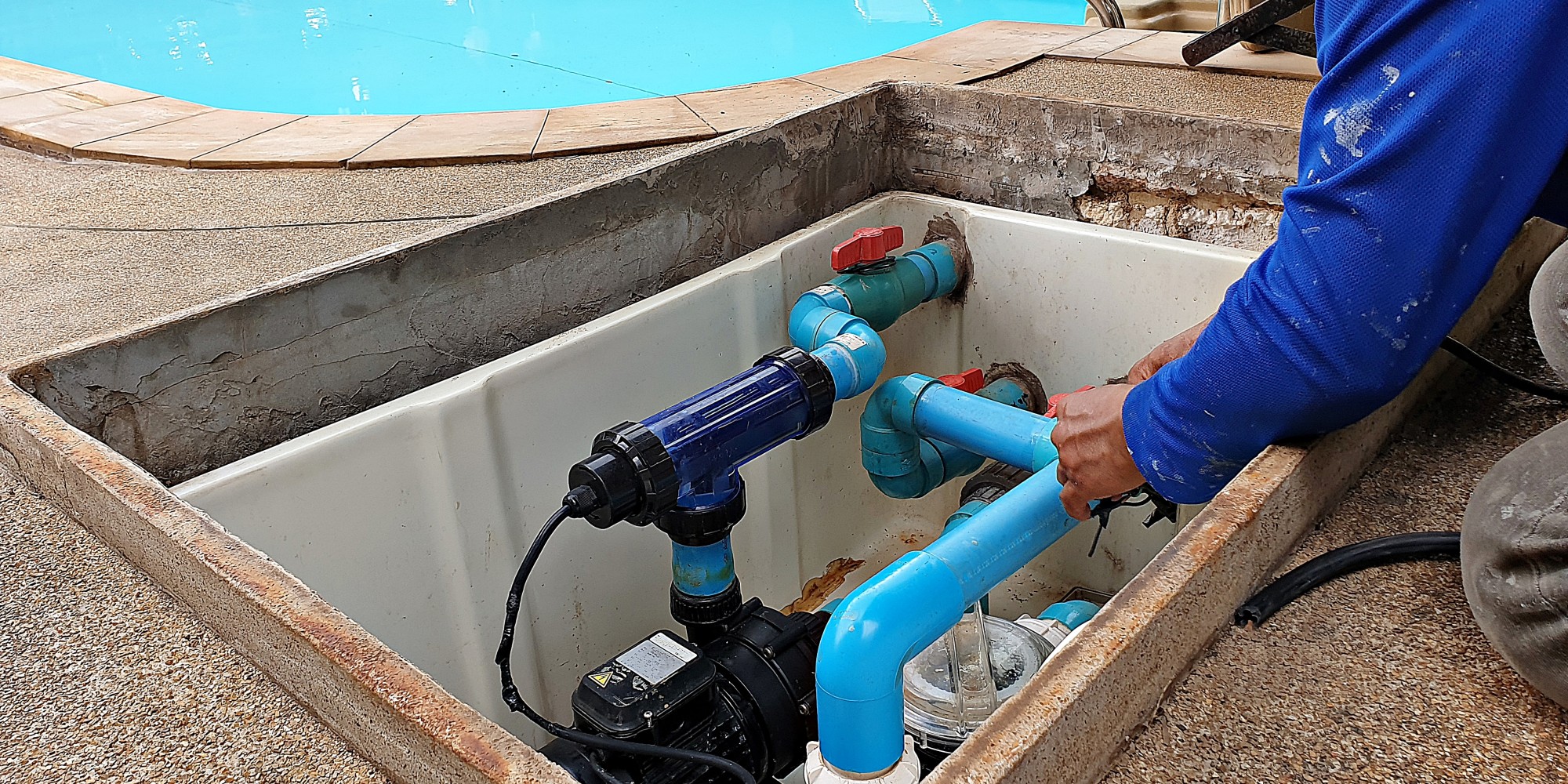
You can also have hidden problems, such as leaks in your plumbing or cracked tiles that need to be replaced before they become visible. The only way to know for sure is by getting in there with some tools and taking a look around yourself!
Underwater lights and pool controllers
The lights on your pool are an essential part of your backyard experience, so it's no surprise that you might want to save money by replacing them yourself. However, underwater lights and pool controllers are complex systems that require the expertise of a professional who is trained in their use. If you have any doubts about whether or not you can handle these repairs yourself, call in a pro!
It's also important to remember that even if your pool looks fine on the outside--or even better than usual--there could still be problems hidden below the surface. A professional will be able to tell if there has been damage caused by algae growth or other issues that may go unnoticed without proper inspection techniques.
Pool chemicals, filtration, and cleaning needs
Pool chemicals are essential to keeping your pool clean, safe, and looking great. Pool owners should be aware of the different types of chemicals and understand how they work. It's important to know what type of pool you have before purchasing any chemicals as each type needs its own specific set-up and maintenance routine.
Pool owners should also note that not all pools require the same types or quantities of chemicals; some are more sensitive than others due to their design, material composition, or location (for example indoor vs outdoor).
Chemicals should be purchased at a local swimming pool supply store or ordered online from reputable suppliers so that you can get advice on how much product is needed for your specific situation--and save money by buying in bulk!
Pool vacuum and other equipment
- Pool vacuum: This is a machine that sucks up leaves and other debris from the pool, which can clog filters and drain lines.
- Skimmer: The skimmer removes surface debris from the water before it enters your filter system. If you have a separate pump for this purpose, make sure it's working properly before investing in one of these devices; otherwise, you'll just be wasting money on something that already exists!
- Drain: Your drain line should be clear of hair and other gunk--if not, call someone who knows what they're doing when it comes to pipes! You don't want any blockages in there because that could mean serious damage later down the road (like burst pipes).
- Filter: If there's anything wrong with any part of this piece of equipment (like clogs), then call an expert right away! They'll know what needs fixing without having to guess at all those moving parts inside each filter housing unit...and let me tell ya--there are many!
Safety equipment, like skimmers and drains
Safety equipment, like skimmers and drains. Safety is important for any pool. Skimmers are used to keep the water clean and drain to prevent accidents by keeping the water level at a constant depth. If you have a skimmer cover (a mesh netting that goes over your skimmer), make sure it's securely fastened so no one can fall in.
Make sure you clean out your skimmer basket regularly--it should be emptied after every use of the pool or hot tub so debris doesn't clog up your filter system later on!
Pools are expensive to maintain and repair, but they can be done
You will need to regularly check your pool's water chemistry, clean it regularly with a brush or pool vacuum, fix any problems with the filters and pumps (if applicable), and keep an eye out for cracks in the plaster or tile work that may need to be repaired by a professional.
If you have an above-ground pool or inground liner, there are certain things that you can do on your own without calling a service technician: checking for leaks; replacing broken parts like lights and filters; installing new skimmers if necessary; cleaning out clogged drains if needed (again using either brushes or vacuums).
Conclusion
You can repair your pool, but it's not the best idea. The equipment and training needed to do a good job are beyond what most people have. If you have questions or concerns about your pool, call a Pool repairs Melbourne professional.
Source: Pool Repairs: Know When to DIY And When to Call a Professional


Comments
Post a Comment